
Test results
Game compatibility
The furthest repeatable point reached in each observed title, together with the limits that stop it going further. Results mirror project-status.md in the repository.
Playability and completion reports were confirmed by the project maintainer on September 8, 2026. Every timing refers to the current NVIDIA GeForce RTX 3070 Ti test host and will differ on other hardware. Title content is supplied locally and is not distributed with the emulator.
13
Titles tested
5
Playable · Completable
3
Reach in-game scenes
5
Boot, intro or menus
How the results are graded
- Playable · Completable
- The maintainer played the title through to the end. Rendering, input and audio are correct in the observed runs, though frame rate still varies.
- Reaches in-game scenes
- The title renders loaded gameplay or in-engine scenes, but a full playthrough is not claimed — usually because of frame rate, load times, or unverified input.
- Intro and menus render
- Intro video, publisher sequences, title art or menus are produced by the guest render graph. Gameplay has not been reached or verified.
- Boots and loads assets
- The title's modules link and its engine bootstrap progresses, but no presented frame is claimed yet.
Tested titles
Showing 13 of 13 tested titles.
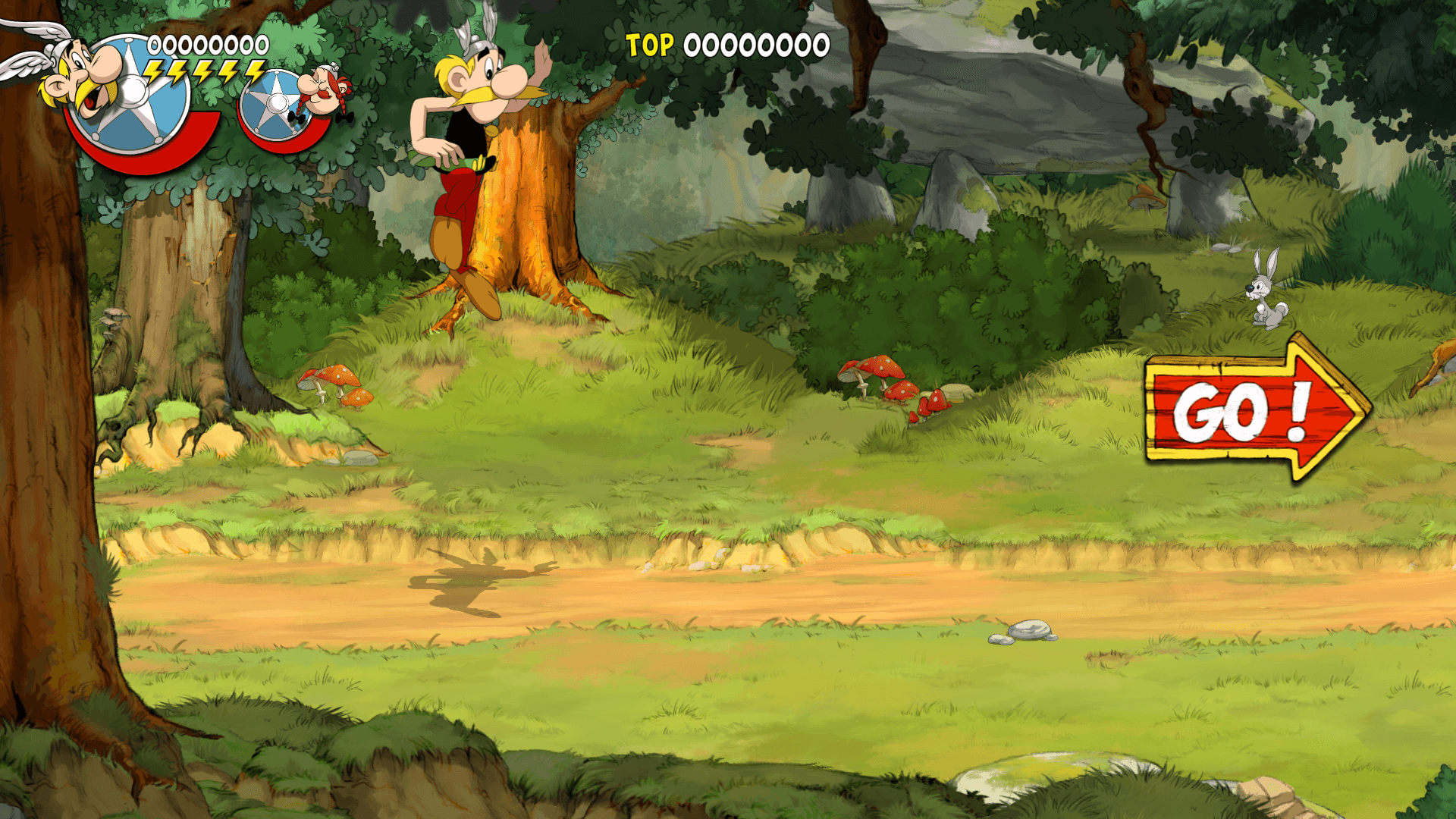
Asterix & Obelix: Slap Them All!
PlayablePlayable · Completable
Playthrough confirmed. Gameplay and UI render upright.
Observed gameplay typically measures 28–31 ms per frame.
What was reached
Playthrough confirmed. Gameplay and UI render upright, and intro playback works. The final fullscreen compositor stays GPU-resident while scanout preserves the guest viewport's vertical orientation without a per-frame host-memory round trip.
Known limits
A 3,000-flip development run completed free of rejected submissions.
Confirmed by the maintainer on .
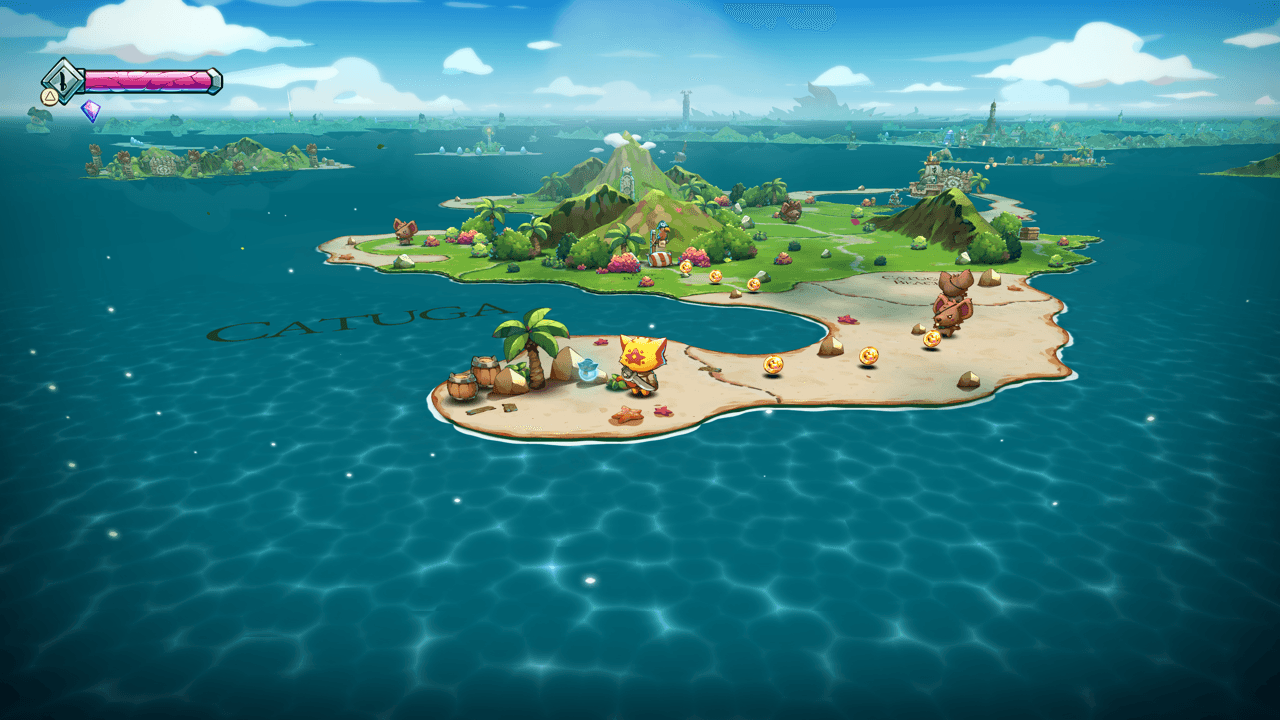
Cat Quest III
PlayablePlayable · Completable
Playthrough confirmed. Menus, dialogue and island terrain render correctly.
Opening-island samples have a median of 124 ms (about 8 FPS), against roughly 148 ms before optimization.
What was reached
Playthrough confirmed. Menus, adventure cards, dialogue, island terrain and colors render correctly in the captured scenes. The language list retains and clips its text, and Catventure selection displays slot artwork, labels, add buttons and scroll arrows.
Known limits
Frame rate on the opening island is still the main limit rather than correctness.
Confirmed by the maintainer on .
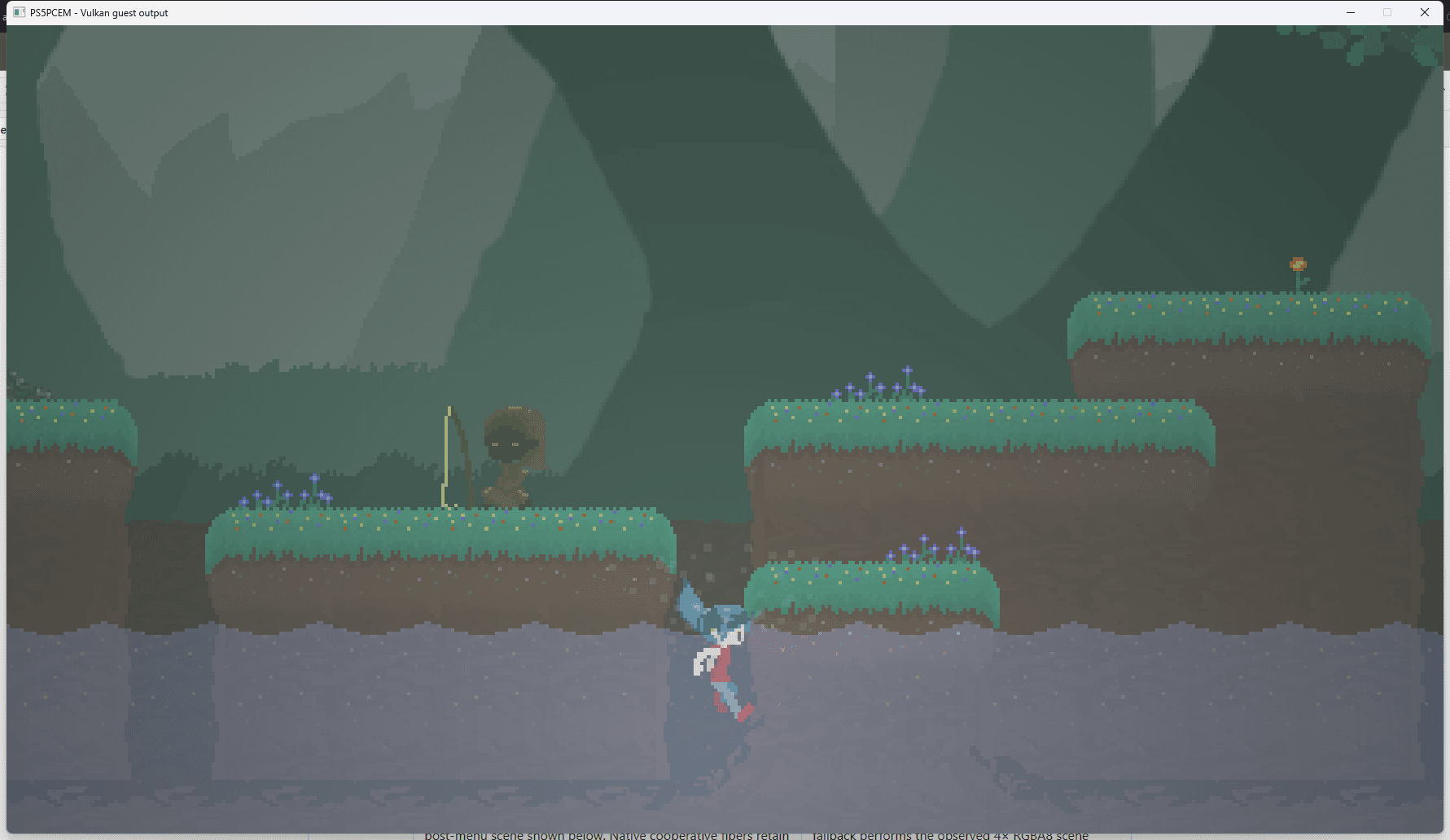
Dreaming Sarah
PlayablePlayable · Completable
Playthrough confirmed. Title menu and first scene hit the 60 FPS cap.
The title menu and first scene run at the 60 FPS cap, measured as 5,280 flips over 90 seconds.
What was reached
Playthrough confirmed on September 15, 2026. Menus, the animated title, world scenes, characters and NPCs render correctly.
Known limits
Loading required restoring eboot.bin and sce_module/libc.prx from the backups left by the copy's eboot patcher, which had truncated both. The maintainer reports the frame rate falling on the second gameplay scene, which is not yet measured.
Confirmed by the maintainer on .
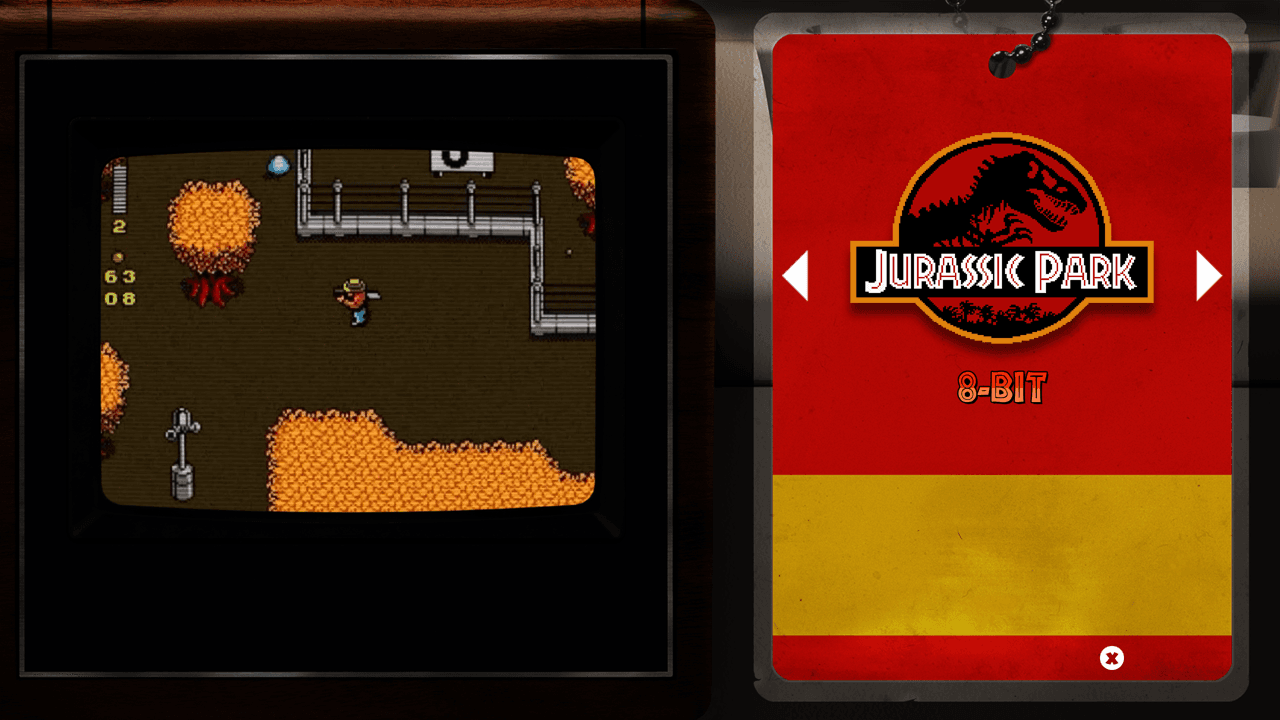
Jurassic Park Classic Games Collection
PlayablePlayable · Completable
Playthrough confirmed. Intro, animated title and selection work.
Earlier sampled title and selection frames measured about 27 and 33 ms.
What was reached
Playthrough confirmed. The intro, animated title and collection selection all work, with cover art, navigation arrows and an animated preview.
Known limits
Performance varies by collection game and by hardware.
Confirmed by the maintainer on .
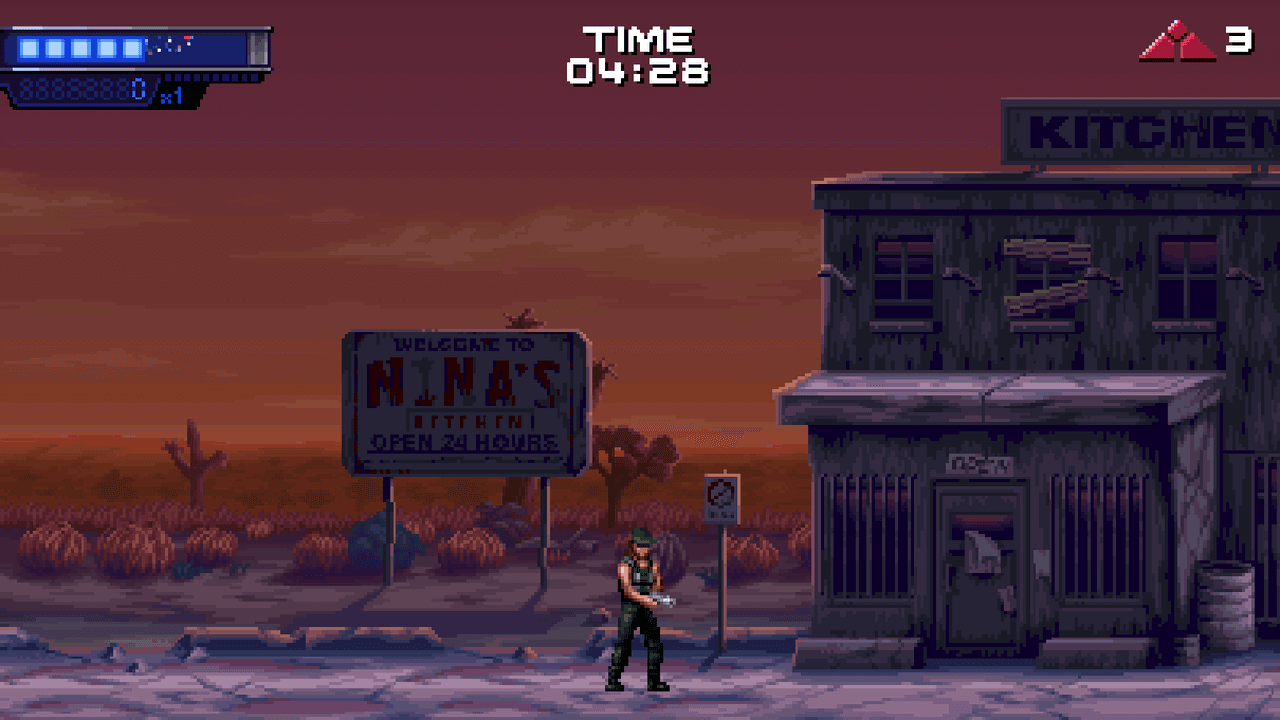
Terminator 2D: No Fate
PlayablePlayable · Completable
Completed without reported problems.
Warmed-up startup frames measure 22–65 ms on the current test host.
What was reached
Completed without reported problems. Backgrounds, characters, HUD, textures and colors are all correct.
Known limits
Texture alpha, component swizzles and sRGB sampling preserve the title's intended color balance.
Confirmed by the maintainer on .
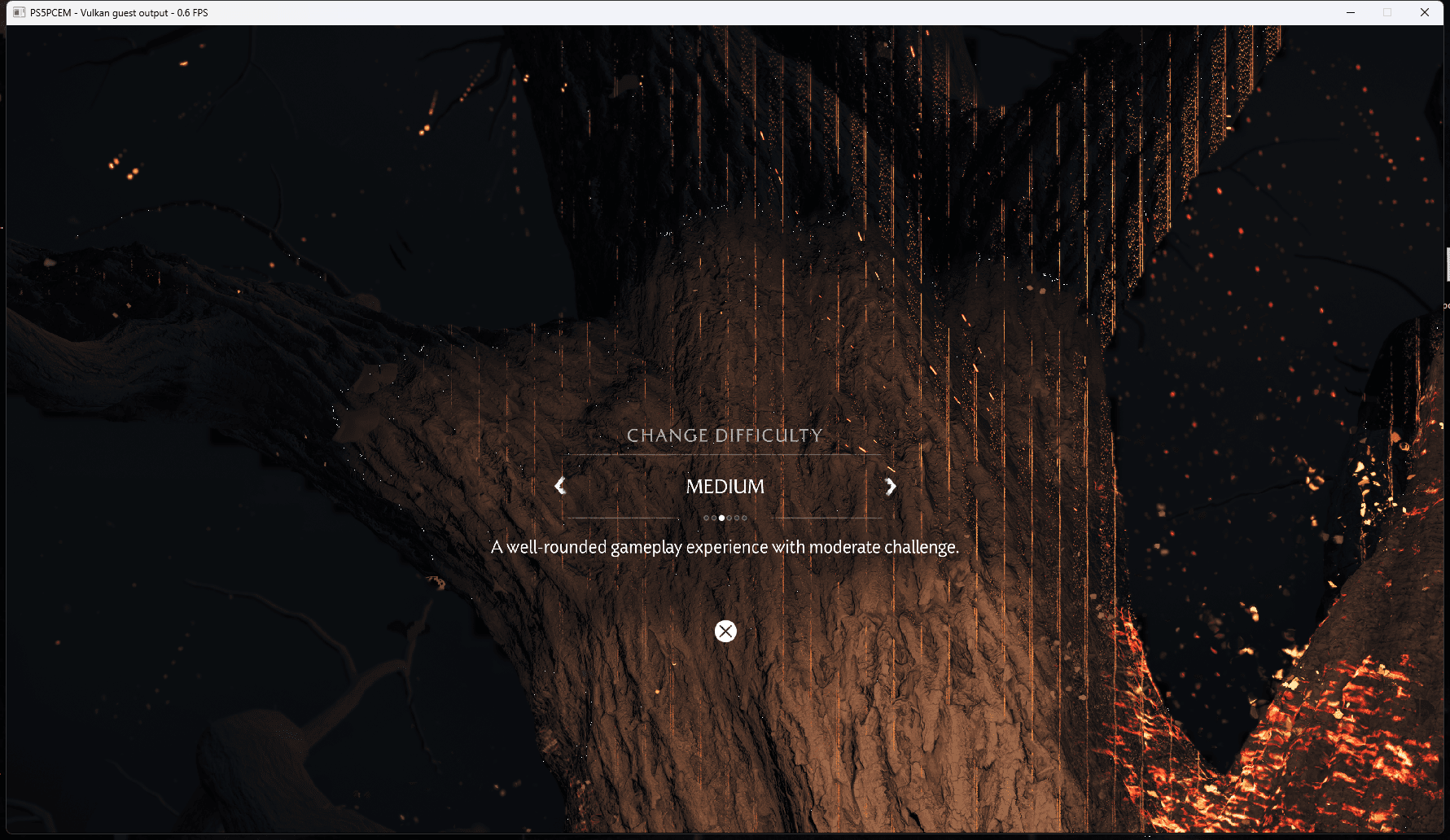
Ghost of Yōtei
In-gameIntro playback · bonus notices · brightness calibration · reaches in-game scenes · not playable
Renders its menus and 3D scenes correctly, at 0.6 FPS. Not playable.
Reaching difficulty selection takes several minutes of intro and scene loading, and the frame rate there is 0.6 FPS: sampled frames measure 1504–1554 ms for 321 draws and about 1330 compute dispatches.
What was reached
The verified reference run reached the animated loading indicator, the Digital Deluxe Bonus, Gift of the Northern Star and Pre-order Bonus notices, and brightness calibration with the wolf image, instructions, slider and confirmation glyph. The maintainer also observed trees and parts of the 3D background, with menu music audible. Intro movies play at about their native 30 FPS in ReleaseFast. Streamed scene loading, material tables and shader execution have advanced substantially.
Known limits
Gameplay itself — moving the character through a loaded world — remains unverified, and scene preparation frames are still very slow. Time to reach a scene varies widely between runs on the same build. The latest renderer was checked through the intro into scene loading; the complete bonus and brightness sequence was verified on reference build 796a484, not repeated on the release candidate.
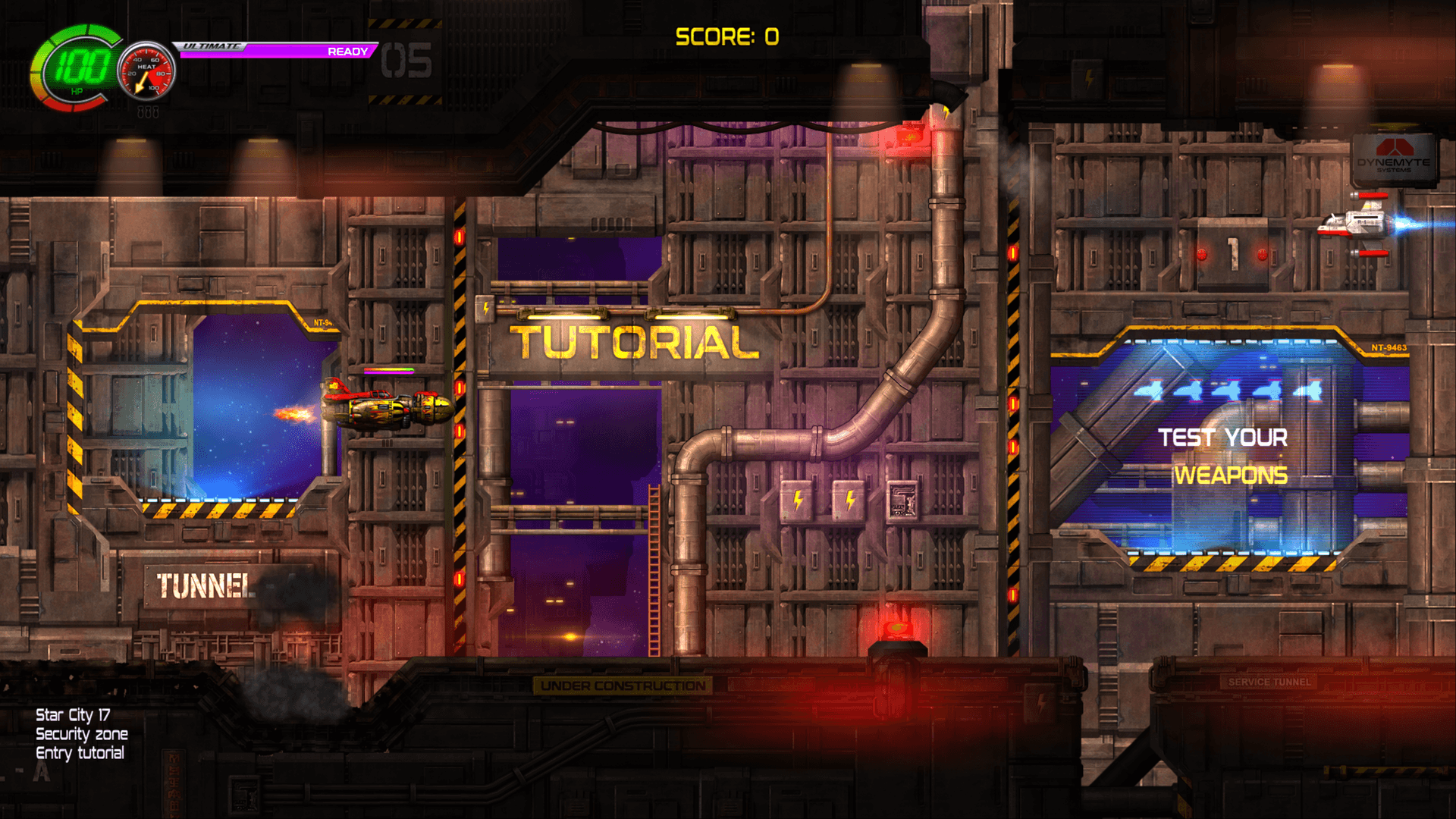
Jets 'n' Guns 2
In-gameReaches 3840×2160 tutorial gameplay
START GAME passes the loading screen and reaches recognizable tutorial gameplay.
The cold transition into the first dense gameplay scene takes roughly 30–40 seconds. Once loaded, observed 227–256-draw frames take about 0.6–1.6 seconds, dominated by synchronous Vulkan submission, resource staging and first-use work.
What was reached
Resolves title content through /app0, completes AGC resource registration, and sustains the full graphics, compute and VideoOut loop. Targetless final passes survive flip, while dynamic SGPR data and descriptor-sized buffer bounds keep streamed sprite batches on stable Vulkan pipelines. START GAME passes the loading screen and reaches the recognizable 3840×2160 tutorial gameplay; the unattended run stayed live beyond flip 300. Firmware-default mutex compatibility preserves the CRT's recursive trylock guard without leaking recursion into the audio workers' blocking slow path.
Known limits
Broad input and in-game audio compatibility still need longer validation before a playability claim.
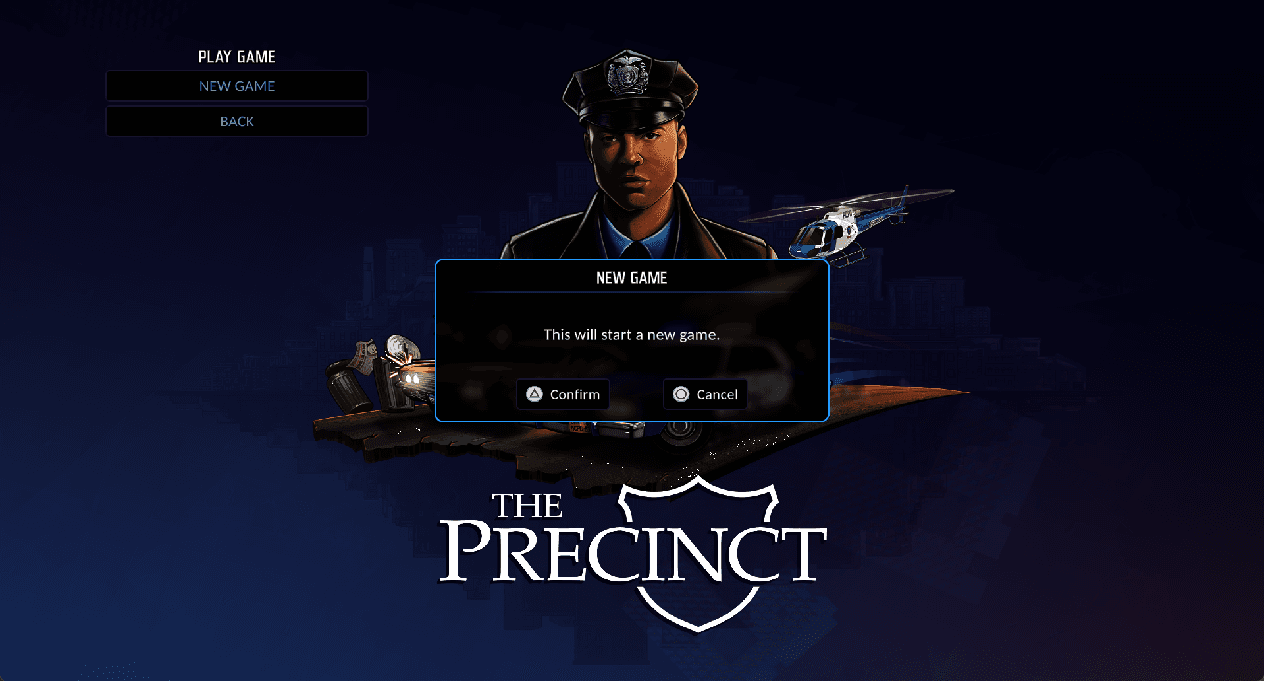
The Precinct
In-gameTitle menu, intro movies, and a first in-engine gameplay image
Plays both intro movies, renders the title menu, and enters the cold world load.
The world-load frame measures 2.1 s where it previously measured 5.1 s, after descriptor recovery stopped replaying each kernel's prolog once per resource it names. The first world transition still takes several minutes, because first-use shader translation, NVIDIA pipeline compilation, synchronous submission and resource staging remain expensive.
What was reached
Links the complete six-image guest graph, starts Unity plug-ins through sceKernelLoadStartModule, indexes its audio assets, and plays both observed intro movies as synchronized 3840×2160 NV12 video with 48 kHz stereo PCM. It renders the complete 1920×1080 title artwork, opens PLAY GAME, and displays a readable NEW GAME confirmation. Holding Triangle enters the cold world load; an earlier guarded run reached the Cross prompt and produced the first verified in-engine gameplay image. Target-thread exception delivery completes Unity's stop-the-world handshake, resident typed storage images preserve its compute graph, and dynamic compute scalars stop runtime SGPR values from generating a new Vulkan pipeline every frame.
Known limits
The former title- and shader-signature-specific NVIDIA compiler guard was removed in favor of the general shader path, so the world transition needs a fresh end-to-end validation before current gameplay compatibility is claimed.
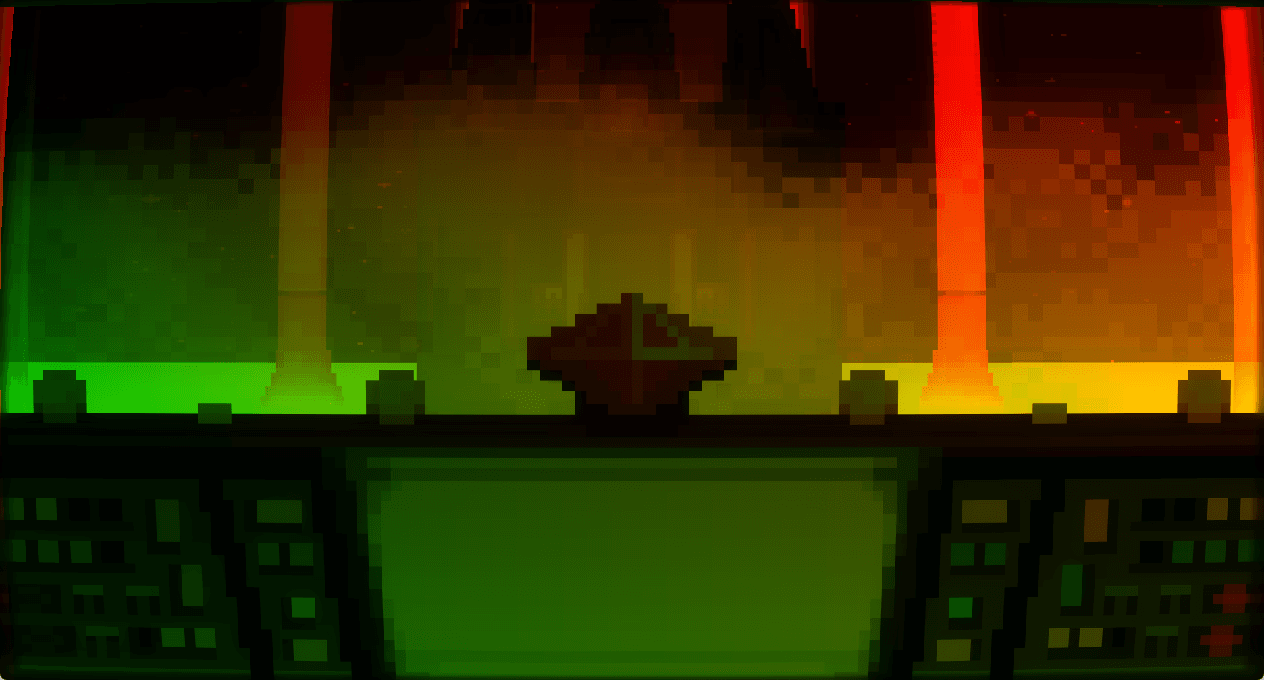
Mighty Morphin Power Rangers: Rita's Rewind
Intro / menusPublisher sequence, title menu and post-menu scene render
Enters a stable 1920×1080 graphics and audio loop through the title menu.
The observed intro stays smooth at roughly 13–20 ms per frame. Dense post-menu frames can contain roughly 255 draws and currently take about 470 ms, dominated by repeated guest-buffer staging.
What was reached
Resolves the observed Fiber, Pad, offline NP, AGC 1.1 and AGC driver imports, enters a stable 1920×1080 graphics and audio loop, and renders the animated publisher sequence, title menu and post-menu scene. Native cooperative fibers retain suspended guest stacks, scePadGetHandle supplies a readable primary controller, and exact V_SAD_U32, V_MUL_HI_I32 and V_CVT_FLR_I32_F32 lowering removes the diagnostic shader fallback. Holding Cross advances through the title prompt.
Known limits
The exact guest CRT composite still produces static on the current host, so a strict shader-signature fallback performs the observed 4× RGBA8 scene scale before downstream post-processing. Broad gameplay and input compatibility are not claimed yet.
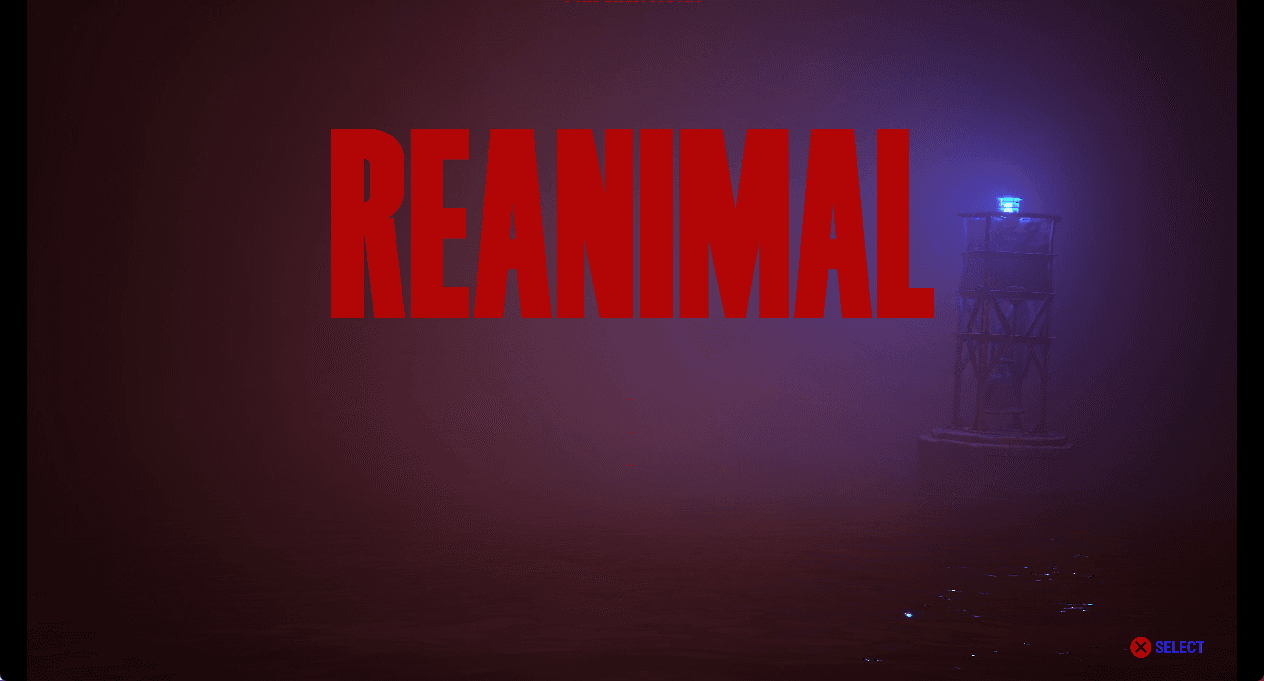
REANIMAL
Intro / menusAnimated 3840×2160 title menu, with incomplete option labels
Plays the company-logo sequence and sustains the animated title-menu render graph.
What was reached
Resolves the observed native and firmware modules, plays the company-logo sequence, and sustains the animated 3840×2160 title-menu render graph. Narrow Unity UI intermediates no longer replace the full scanout, dynamic R8 font atlases invalidate stale sampled images, and the buoy background, full title logo, water highlights and SELECT prompt are visible in the live capture.
Known limits
The central menu-option labels are still reduced to small red marks, so navigation and the transition into gameplay have not been verified. Performance and longer-run stability remain unmeasured, and gameplay is not claimed.
Tetris Effect: Connected
Intro / menusUnreal bootstrap completes and the first particle frame renders
595 guest draws and 63 compute dispatches complete without a rejected draw.
Most post-bootstrap cycles measured about 3.3–3.8 seconds.
What was reached
Completes the Unreal bootstrap and a measured startup frame with 595 guest draws and 63 compute dispatches, including typed 2D/3D storage images, 64×64×64 RGBA16_FLOAT volumes, layered post-process targets, RGBA32_FLOAT exposure surfaces, a 10_10_10_2_UNORM lookup target, and the mixed image/LDS prepass. Ordered AGC completion acknowledgement removed the intermittent retirement race, and the latest unattended run advanced through 49 VideoOut cycles. The first generated 0xe060-byte material pixel shader is now decoded within its exact AGC allocation instead of the old fixed instruction ceiling.
Known limits
The exact registered 3840×2160 VideoOut target remains black, so presentation falls back to a converted R11G11B10_FLOAT intermediate. NGG/fetch-shader continuations, exact layered rendering, final scanout aliasing and tonemapping, one oversized guest-buffer descriptor, and performance all remain incomplete. Neither a menu nor gameplay is claimed.
Pistol Whip
BootsMaps the PS VR2 plugin and Burst module, then loads Unity archives
Starts loading Unity asset archives after mapping its VR modules.
What was reached
Maps the native PS VR2 plugin and the Burst module, then starts loading Unity asset archives.
Known limits
Headset, tracking, controller and host OpenXR support are intentionally deferred.
Propagation: Paradise Hotel
BootsMounts its PAK, opens the shader archive, and submits the first DCB
Completes the Unreal bootstrap up to the first command buffer submission.
What was reached
Mounts the 8.8 GiB UE PAK, completes ICU and config bootstrap, opens the cooked Global shader archive, creates AGC shaders, and submits the first DCB.
Known limits
This milestone predates the new synchronization packet constructors and needs a fresh run. VR presentation still has no host headset bridge.
Results change between builds